


Gamification
What Is Game-Based Learning? Definition and Application
Game-based learning builds playful elements into a learning context. We explain the definition, distinctions, and how game-based learning is used effectively.
Danielle Kern
Streaming
VTubing explained: what a VTuber is, how the technology behind the virtual avatars works, and what hardware and software you need to get started yourself.
A few years ago, VTubing was a Japanese niche. Today it is a billion-dollar market. The world's most-subscribed VTuber, Gawr Gura, has millions of followers without a single real face ever appearing on camera. According to market estimates, the industry passed 5.2 billion US dollars in 2025 and keeps growing at double-digit rates every year.
But what is actually behind the term? In this article, we explain what VTubing means, how the technology behind the animated avatars works, and what you need if you want to start out as a VTuber yourself.
VTuber stands for "Virtual YouTuber". It describes a content creator who shows a digital avatar instead of a webcam. This avatar is usually designed in an anime or manga style and is controlled in real time through camera tracking. When the creator moves, the avatar moves with them. Although the name contains "YouTuber", most of the action has long since shifted to Twitch and other streaming platforms.
The origin lies in Japan. Kizuna AI, who debuted in 2016, is considered the pioneer and the reason the term exists in the first place. From 2016 to 2021, she was the most-subscribed VTuber on YouTube. After a three-year break, she resumed her activity in February 2025.
Today, two large agencies dominate the market: Hololive (Cover Corp) and Nijisanji (Anycolor). Hololive alone crossed 80 million subscribers across all its talents in 2024. What began as a fringe phenomenon for anime fans has grown into a global entertainment industry.
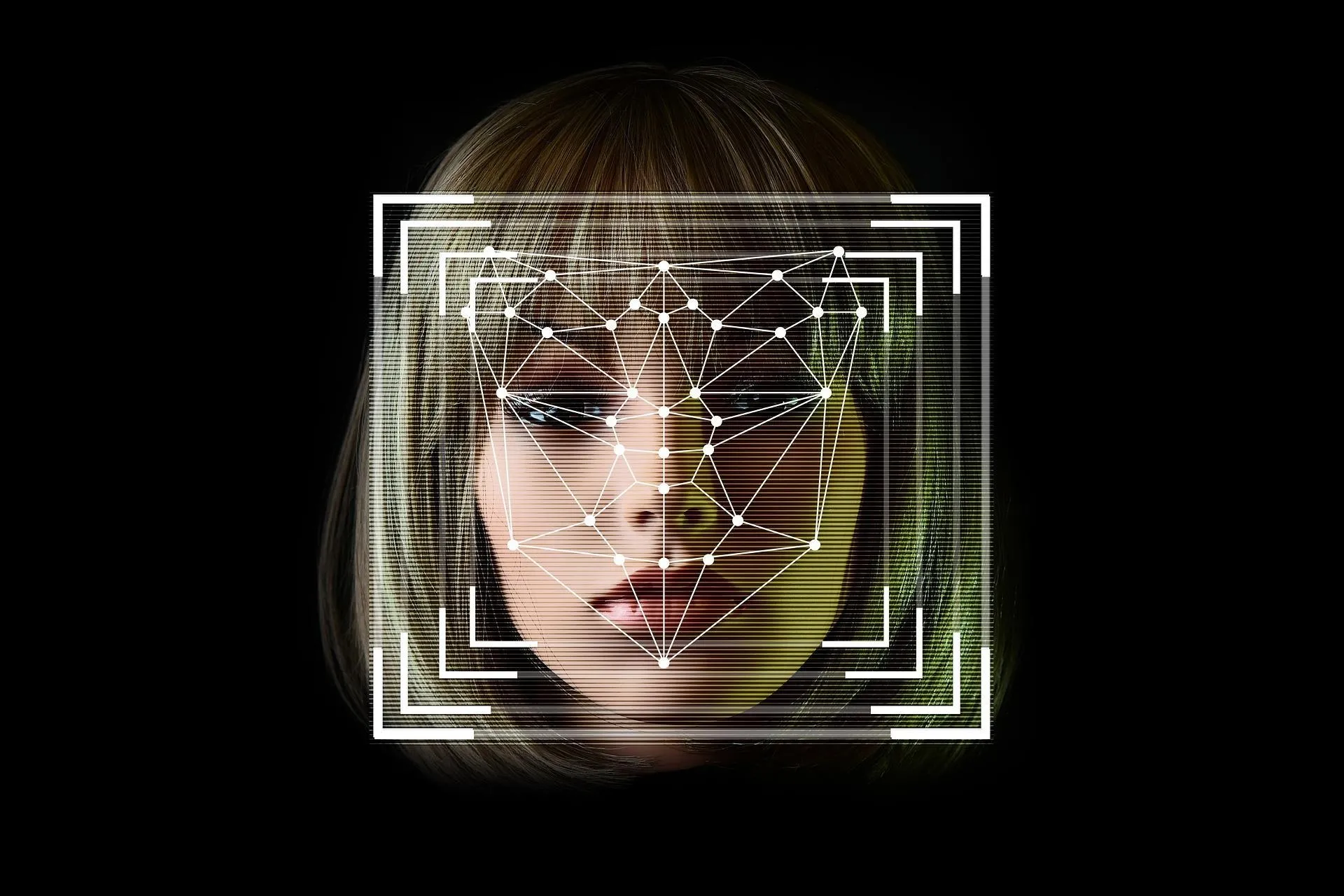
The heart of every VTuber is tracking. Software captures the face, gaze, and often the hands and body, then transfers these movements to the avatar. Broadly speaking, there are two approaches:
With 2D VTubing, an illustrated character is split into movable layers using software such as Live2D Cubism. An ordinary webcam is enough to transfer facial expressions and head movements. This route is cheaper and the most common starting point.
With 3D VTubing, you control a full 3D model like the ones you know from video games. This allows free movement in space but requires more computing power and often additional hardware for motion capture. Some creators also use voice-changing software to separate their identity from the avatar even further.
The biggest advantage is the separation of person and brand. The avatar is its own identity. A VTuber can have millions of viewers and still walk through the city unrecognized or visit a convention without the attention other creators face.
 A VTuber's personal identity stays separate from the avatar, which protects their privacy in real life
There is also an interesting business angle: the avatar is a piece of intellectual property. A character can even be operated by a team. One person handles facial expressions and gestures, another provides the voice. As long as the look and personality are clearly defined, the role can, in theory, be passed on or sold. For a classic streamer whose brand is tied to their real face, that would be unthinkable.
Alongside Japanese heavyweights such as Gawr Gura and Kizuna AI, the Western scene has its own stars. A well-known example of technically ambitious VTubing is CodeMiko. Behind the model is a developer who appears in the stream as "the Technician". She uses a professional mocap suit and the Unreal Engine to drive Miko, and built the character, model, and rigging entirely herself. A viral side-by-side clip of her motion-capture process showed just how precisely her movements are transferred to the 3D model.
The good news: you do not have to start with a studio setup. Many successful VTubers began with a webcam and free software. What matters is a solid foundation of hardware and the right programs.
 Getting started with VTubing requires several hardware and software components
Free tools are often enough to begin. VRoid Studio by Pixiv creates a 3D avatar in a short time and exports it in the VRM format. VSeeFace is a free, highly configurable program for face and hand tracking, built specifically for virtual YouTubers, that runs through a normal webcam. As streaming software, OBS Studio usually rounds out the setup.
If you want to go more professional, you work with a game engine. The Unreal Engine delivers impressive visual results out of the box and is ideal for building an entire world around the avatar. Unity, in turn, is the tool of choice for converting models created in Blender into the VRM format via the UniVRM plugin, which then runs in programs like VSeeFace.
The absolute minimum is a webcam to control the character. An iPhone with a depth sensor works especially well for clean face tracking. If you also want to move hands and arms visibly, a Leap Motion controller or VR trackers are the way to go. At the top end sits the full mocap suit that captures the entire body. For 3D streaming, you should also plan for a powerful machine. A current processor with 32 GB of RAM and a graphics card in the RTX 4070 class is a realistic recommendation.
As a rough guide: a serious, complete beginner setup of hardware, avatar, and software licenses costs somewhere between 700 and 1,300 euros and lasts several years. From there, the scale is open-ended.
VTubing is no longer just a hobby. Brands use virtual characters for marketing, community building, and interactive formats. This is exactly where it gets technically demanding: a convincing avatar needs clean rigging, stable live tracking, and a well-thought-out engine setup so that everything runs in real time and without stutter through OBS.
At Studio Merkas, we develop precisely these kinds of interactive real-time applications with the Unreal Engine and Unity. If you are thinking about your own VTuber character or a VStreaming project for your company, get in touch and we will find the right setup together.
If you want to dive deeper yourself, our article 8 tips for your VTubing success offers more practical advice for getting started.

Ready to get started?
We appreciate your interest in working with us. Whether you have an idea, a proposal, a question, or need assistance in another area, we’ll get back to you quickly—within 24 hours.