

hero banner

Gamification, Business

Gamification in Healthcare

By Danielle Kern · 5 min. read · Last updated: 7/9/2026

Gamification in Healthcare: Motivation as Medicine

Living healthily sounds simple, but in everyday life it often fails for one reason: motivation. This is exactly where gamification in healthcare comes in. It packages health topics playfully and helps people move more, eat healthier, or cope better with an illness. This article shows how it works and what examples exist.

What Is Gamification?

Gamification is the application of game-typical elements in a non-game context. It is used in many areas, from entertainment to education to health. In healthcare, information about fitness, nutrition, and well-being is conveyed playfully, usually through apps that are both informative and entertaining.

Serious Games for Health

Many of these applications fall under serious games, that is, games that convey knowledge in an entertaining way. A well-known example is "Dr. Kawashima's Brain Training," released for the Nintendo DS in 2006, which trains cognitive and motor skills with small mini-games. A version for the Nintendo Switch has existed since 2020.

Gamified apps motivate people to pay attention to fitness and health

Gamified apps motivate people to pay attention to fitness and health

How Gamification Helps With Health

A healthy lifestyle requires motivation, and many small successes keep it alive. Gamification makes these successes visible, for example through short game levels. Quests can set a specific location as a goal that you have to reach on foot or jogging. Apps like "Zombies, Run!" or "The Walk" use exactly this principle. Fitness and nutrition apps also raise health awareness this way. The tools include challenges, team tasks, rewards, and point-based reward systems, along with the ambition to complete daily missions or climb a leaderboard.

The Example of Pokémon Go

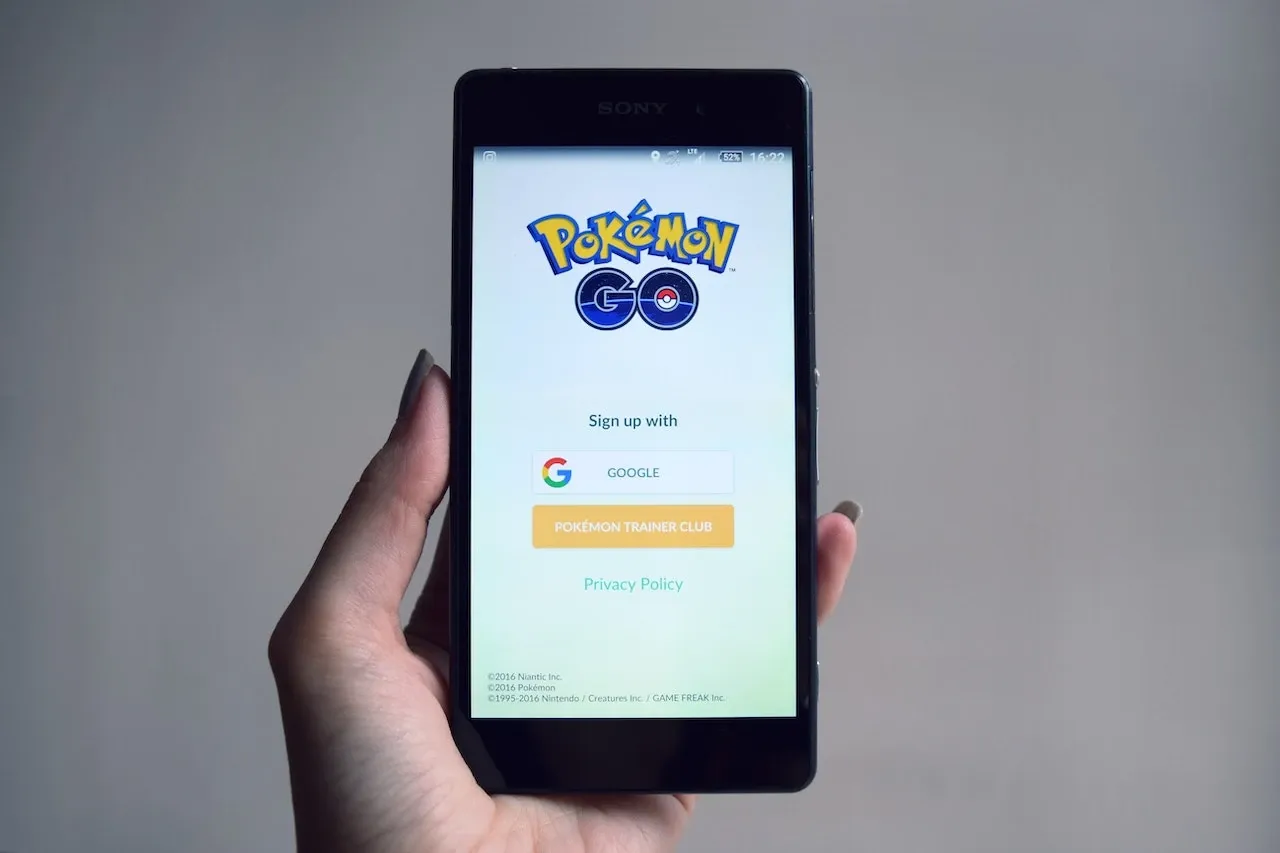
One of the best-known mobile games of all, "Pokémon Go," demonstrates the effect impressively. The geolocation game rewards distances covered, for example to hatch an egg, and since 2016 has prompted millions of people to go outside and move. Even many young people who otherwise spend a lot of time in front of screens were lured outdoors this way. Remarkably, movement was not the game's original goal at all; it emerged as a welcome side effect.

Pokémon Go was released in 2016 and broke numerous records in no time

Pokémon Go was released in 2016 and broke numerous records in no time

Apps for the Chronically Ill

Gamification also helps in dealing with illnesses. There are apps that make everyday life easier for the chronically ill and promote health-conscious behavior. One example is "MySugr" for people with diabetes: the app keeps a diary with motivational messages, captures important therapy data at a glance, and can be synchronized with measuring devices.

Having Gamified Health Applications Developed

Gamification can get people to take better care of their health, whether through more movement or through support in everyday life with an illness. But for such an app to truly motivate and not end up in a drawer after a few days, the game mechanics have to be well thought out. That is exactly what we specialize in at Studio Merkas. If you are planning a health or fitness application with gamification, let's talk about it.

Ready to get started?

Let’s start your project.

We appreciate your interest in working with us. Whether you have an idea, a proposal, a question, or need assistance in another area, we’ll get back to you quickly—within 24 hours.

Free initial consultation

Response within 24h

No commitment

Contact

Get in touch

Germany

Immenhofer Str. 17, 70180 Stuttgart+49 177 4797472

Switzerland

Müllerstrasse 25, 8004 Zurich+41 78 2671338

Opening Hours

Mon – Fri, 9:00 – 17:00

Response Time

Within 24 hours