


Game Production
History of the Unreal Engine: From 1998 to Unreal Engine 5
From its beginnings in 1998 to Unreal Engine 5: how Epic's game engine has evolved over more than 25 years, which games it shaped, and what it can do today.
Alexander Frey

Game Production
Idle games, also called incremental games, thrive on waiting and automation. We explain the genre, its mechanics, and present well-known examples.
Idle games sound paradoxical at first: games that are mostly about not playing. And yet they are among the most successful genres of all, especially on smartphones. The appeal lies in steady progress that keeps going even when you are not actively using the game. This article explains what defines an idle game, which mechanics are behind it, and which titles have shaped the genre.
An idle game, also called an incremental game, is a genre characterized by minimal player interaction and a strong element of waiting. The term idle describes a state of inactivity, and that is exactly what the style of play reflects. Players perform relatively passive actions and then wait for the game's processes to progress and goals to be reached.
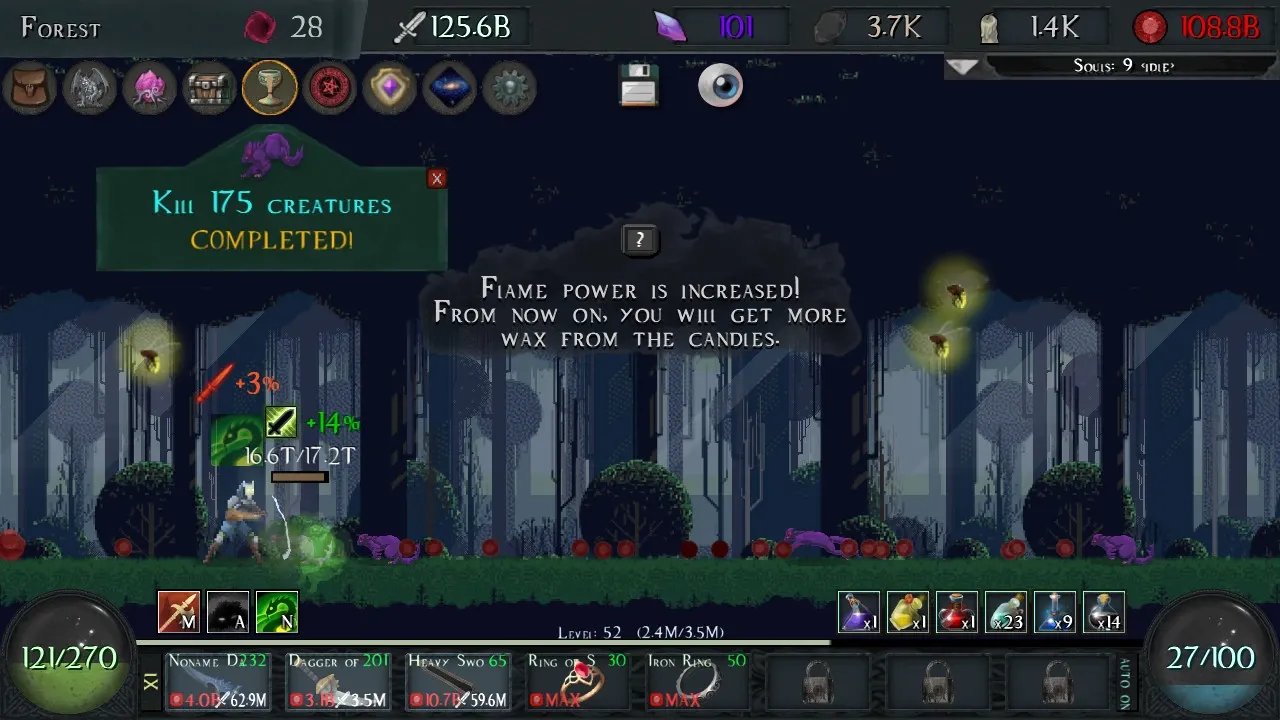 Grim Clicker is a mix of RPG and idle game
The mechanics are usually kept deliberately simple. At the center is the collecting of points or in-game currency. You begin with rudimentary resources and gradually grow to bigger ventures as rewards accumulate. You reinvest these rewards to increase productivity, for example by hiring workers or automating production. This automation is the core: at a certain point, much of it runs on its own, and you only optimize. Unlike a roguelike, which thrives on active, risky runs, an idle game rewards patience and long-term planning.
AdVenture Capitalist revolves around building one business after another, from a lemonade stand to the oil industry and even ventures on the moon. You invest your profits strategically to grow your trading empire, controlled through a deliberately plain interface.
The Longing by Studio Seufz takes an unusual approach to the genre. You play a character tasked with waking the sleeping king of a mountain within 400 real-time days. You can simply wait or, in the meantime, explore an extensive cave system.
Grim Clicker pits you against waves of enemies that are defeated automatically past a certain point. New weapons, quests, and a skill tree expand the gameplay.
Cookie Clicker is probably the best-known idle game. At first you click yourself to produce cookies. Later you hire grandmas, automate the baking, and build up your production step by step into a huge cookie factory.
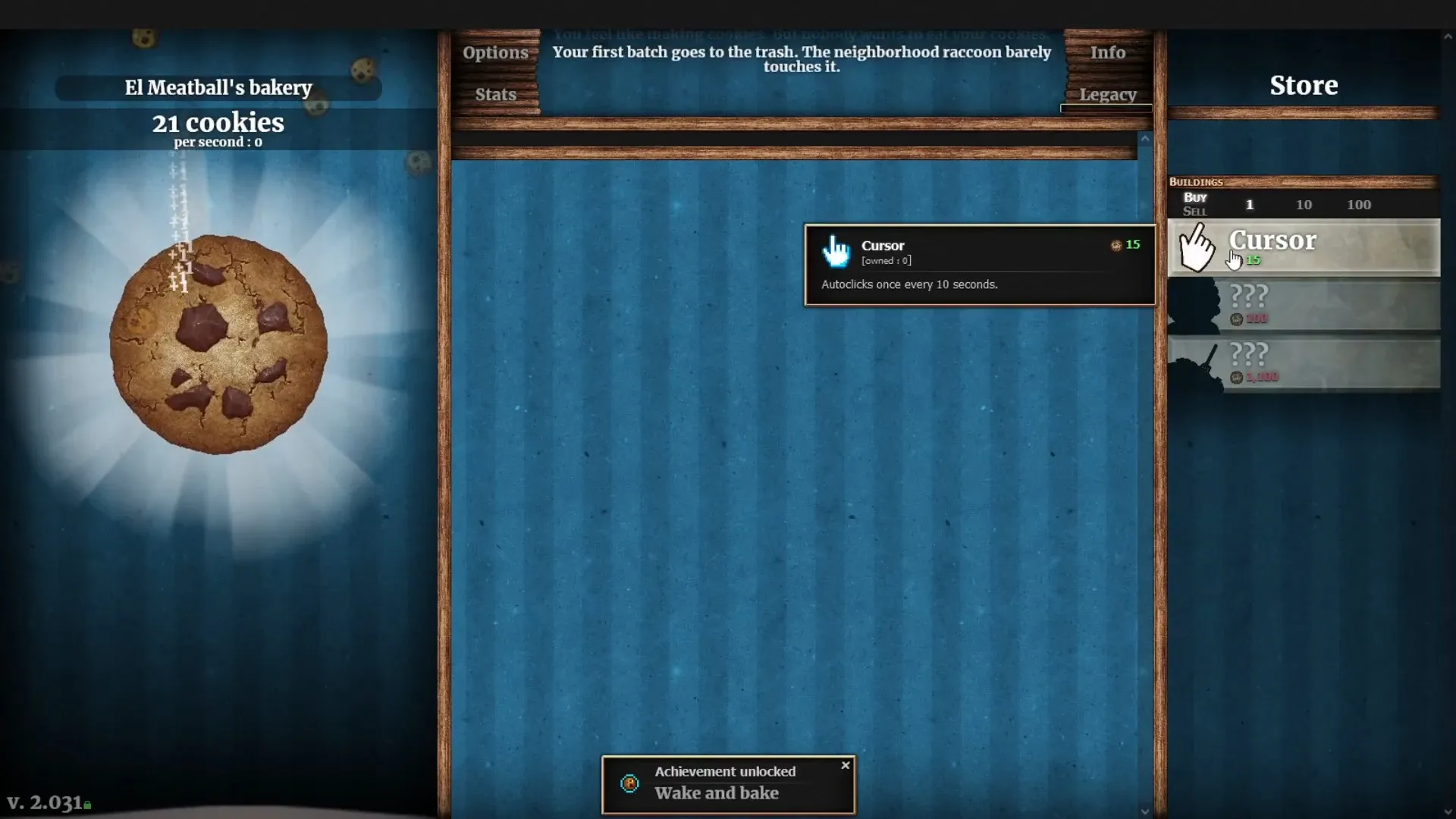 In Cookie Clicker, cookie production is gradually automated
Idle games are technically manageable, but the art lies in the balance: the progression has to stay motivating without getting boring too quickly. These kinds of well-thought-out game systems are exactly what we develop at Studio Merkas, from the idea to the finished game. If you are thinking about your own game project, whether an idle game, a tower defense game, or a mobile game, get free advice.
Ready to get started?
We appreciate your interest in working with us. Whether you have an idea, a proposal, a question, or need assistance in another area, we’ll get back to you quickly—within 24 hours.