


Gamification
5 Strategies for Successful Gamification
Gamification only works with the right execution. These 5 strategies, from simplicity to meaningful rewards to flow, make gamification truly effective.
Alexander Frey, Nikola Merkas
Game Production
DICE's Frostbite engine has shaped EA's games since 2008. We trace its evolution, from the destruction in Battlefield to today's EA titles.
When an entire building facade collapses in a Battlefield game, the same technology is usually behind it: the Frostbite engine. Developed by the Swedish studio DICE, Frostbite has been one of Electronic Arts' defining game engines since 2008. In this article, we look at how the engine came about, which features made it famous, and where it stands today.
Frostbite is a game engine from the Swedish company Digital Illusions CE, or DICE for short. It was first released in June 2008. It is used to create games for Windows, PlayStation, and Xbox, as well as the Nintendo Switch. The programming is based on C++ and C#, among others, and the physics simulations build on Havok Physics. Frostbite is under a proprietary license from Electronic Arts and may only be used by EA-owned studios. This is also why there are comparatively few public sources about the engine.
Originally, Frostbite was developed exclusively for the Battlefield series. According to Patrick Bach, the former executive producer at DICE, there simply was no engine at the time that could handle the scale of the Battlefield games. It made its debut in 2008 with Battlefield: Bad Company. For the first time, large-scale multiplayer battles in dynamic, destructible environments were possible. The defining feature was destruction, which let players tear down walls and entire buildings, along with HDR audio and modern DirectX support.
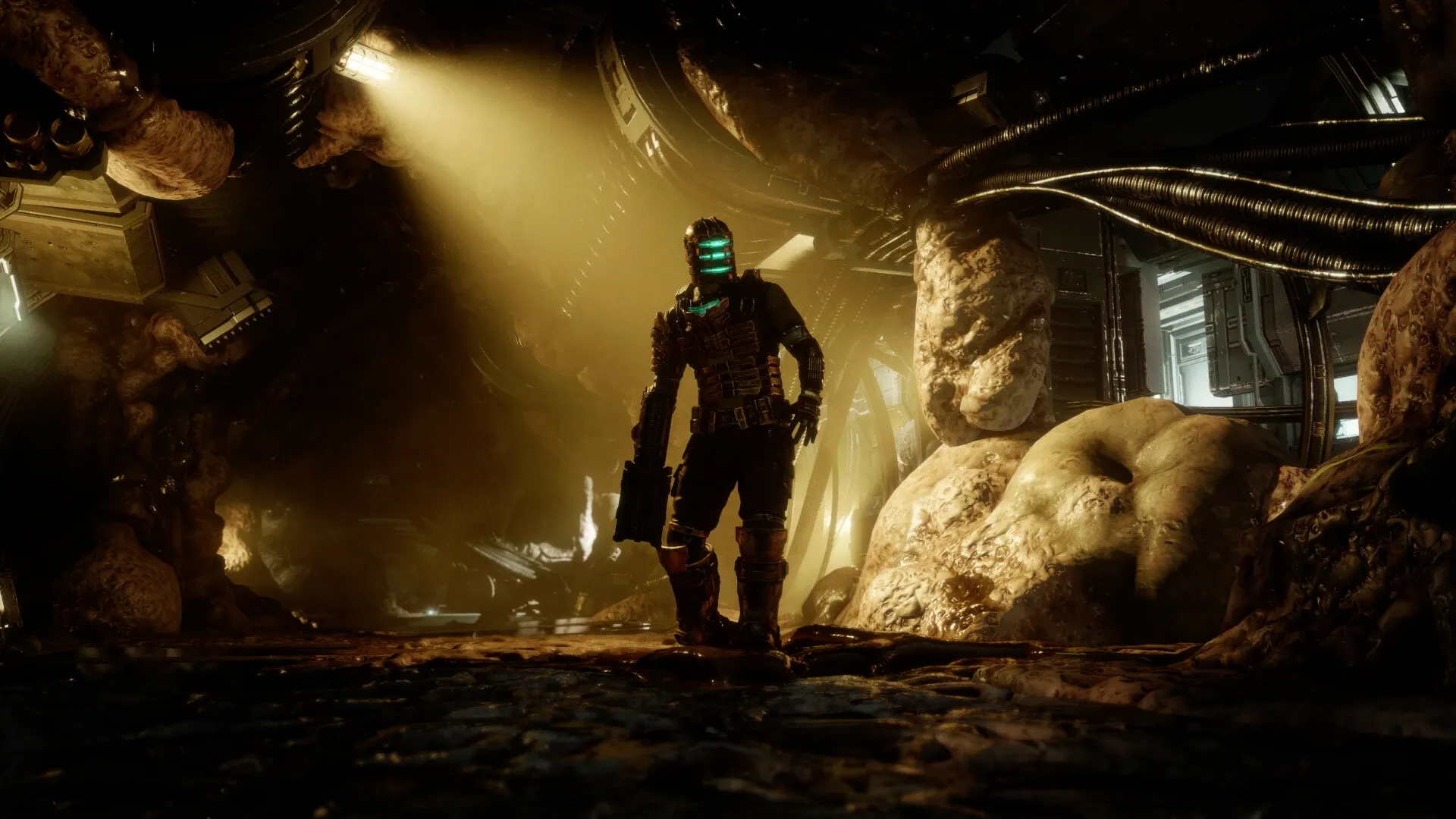 The Dead Space Remake runs on the Frostbite engine, with engineer Isaac Clarke in the lead role
As early as 2009, Frostbite 1.5 followed, used for Battlefield 1943 and Bad Company 2. New features included improved destruction and broader DirectX support. In 2010, DICE announced version 2.0 alongside Battlefield 3. It brought DirectX 11, further developed destruction, and, with tile-based deferred shading, the ability to display hundreds of dynamic lights in large scenes.
Development of Frostbite 3.0 began in 2011 and lasted until the release of Battlefield 4 in 2013. The focus was again on destruction as well as physically based rendering, along with support for DirectX 12 and AMD Mantle.
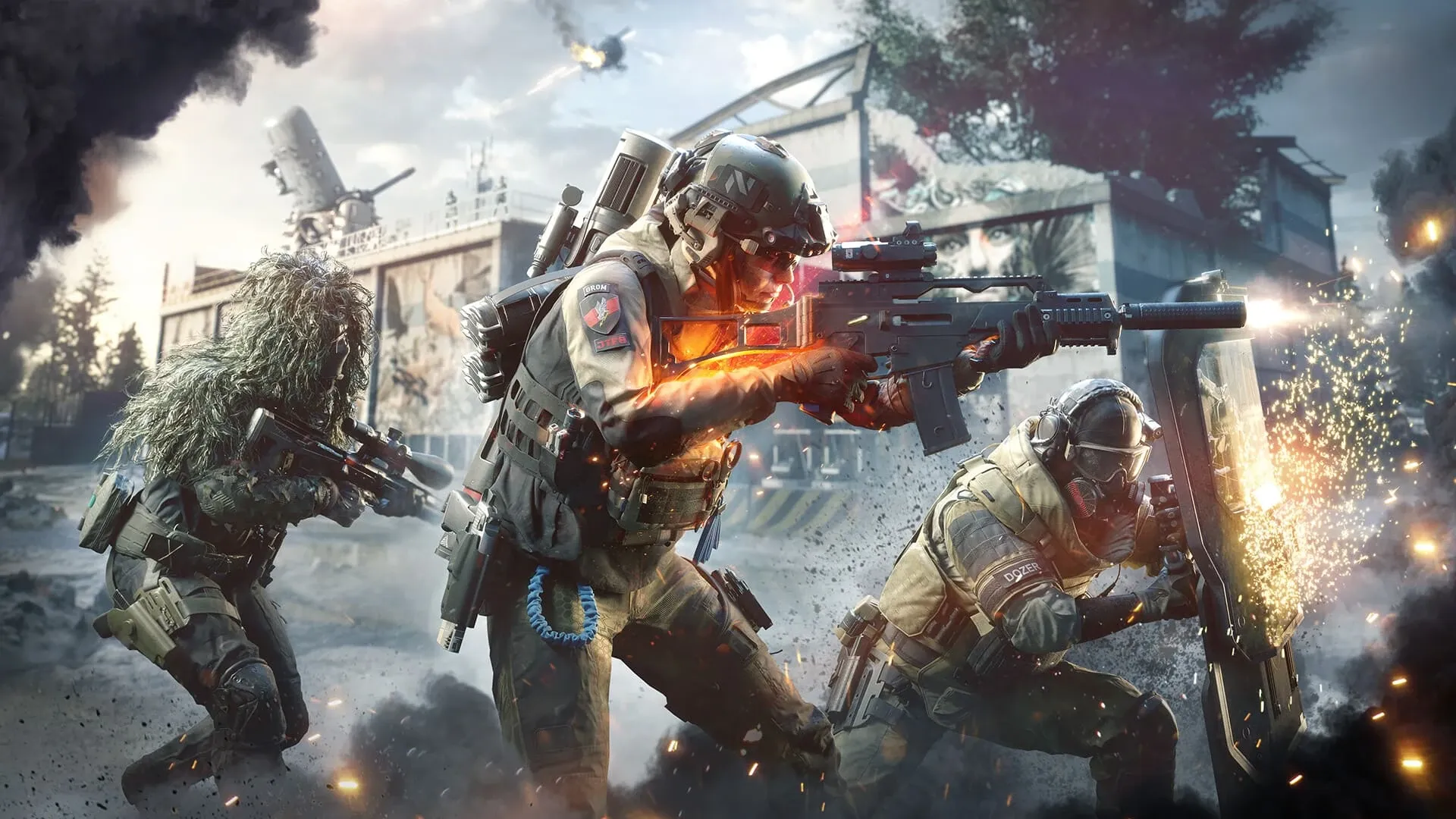 The Battlefield series is the flagship of the Frostbite engine
In 2016, EA decided to use Frostbite for virtually all productions. Previously, EA's studios had at times used 26 different engines. The idea behind it: a shared engine lowers costs and pools expertise. In practice, however, it turned out that Frostbite was hard to tame outside of shooters. Role-playing and sports games required enormous adaptation effort, because the engine was never designed for such genres.
At the end of 2023, EA drew its conclusions. The company presented a new Frostbite logo and officially stepped back from the strategy of developing every single game in Frostbite. The engine remains central but no longer has to be forced onto every genre.
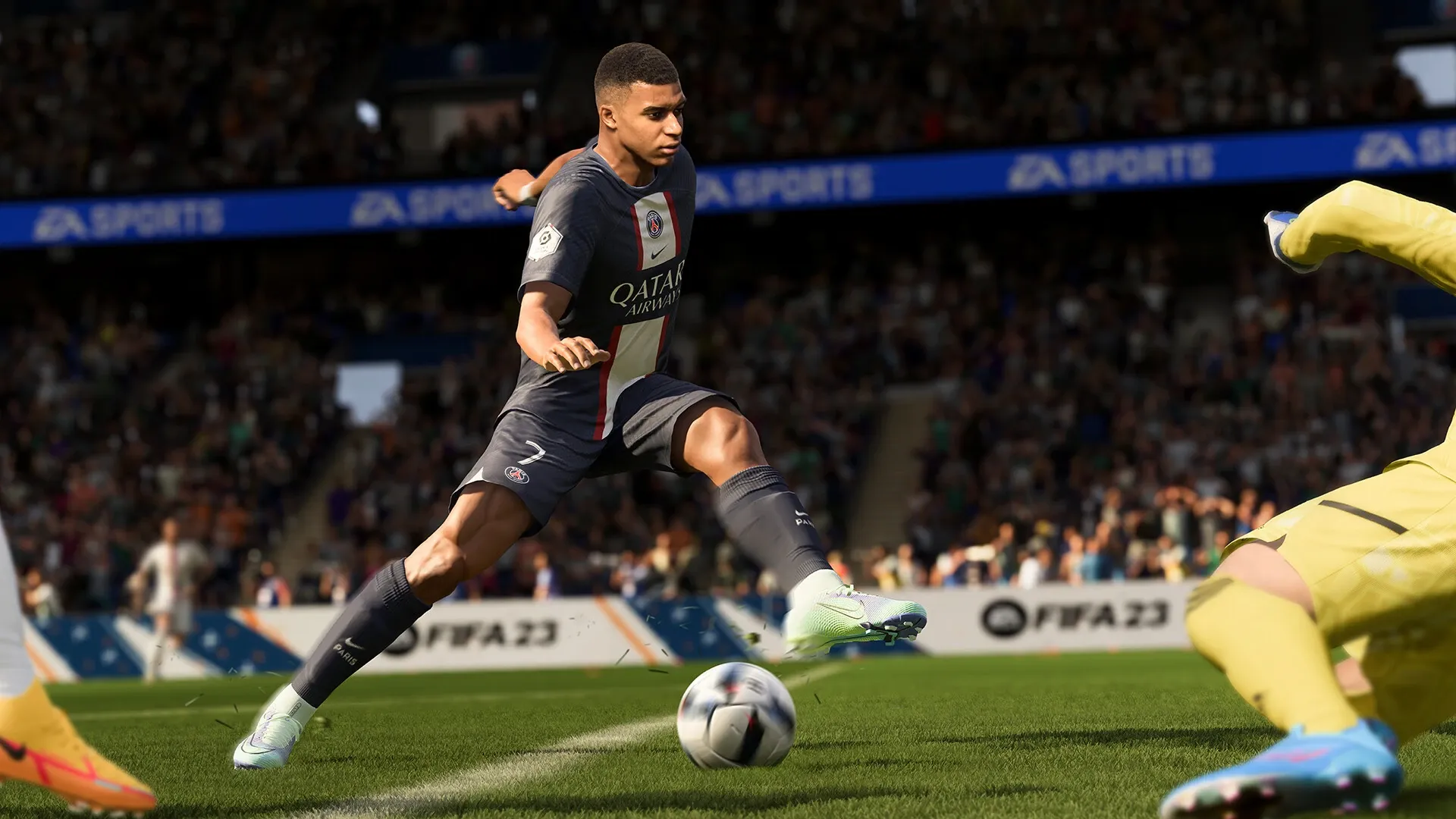 The former FIFA series, now EA Sports FC, also runs on Frostbite
Despite all the challenges, Frostbite remains EA's core engine. Current titles such as Dragon Age: The Veilguard (2024), with significantly improved hair and cloth simulation, Battlefield 6, released in October 2025, and the annual EA Sports FC editions all run on modern versions of the engine. Frostbite thus remains a powerful tool for realistic, dynamic environments, but it requires a large team of specialists and a lot of maintenance, precisely because of its closed, proprietary nature.
Frostbite shows how much the choice of engine determines a project's success. While EA relies on a closed in-house engine, at Studio Merkas we build on flexible, open tools like Unity and the Unreal Engine, matched to each project. If you are unsure which technology suits your idea, get free advice. For how other engines approach the same tasks, see our articles on the Unreal Engine, Source Engine, and CryEngine.

Ready to get started?
We appreciate your interest in working with us. Whether you have an idea, a proposal, a question, or need assistance in another area, we’ll get back to you quickly—within 24 hours.